
Thoughts on culture.
On Broke Boy Propaganda and the New Rom-Com
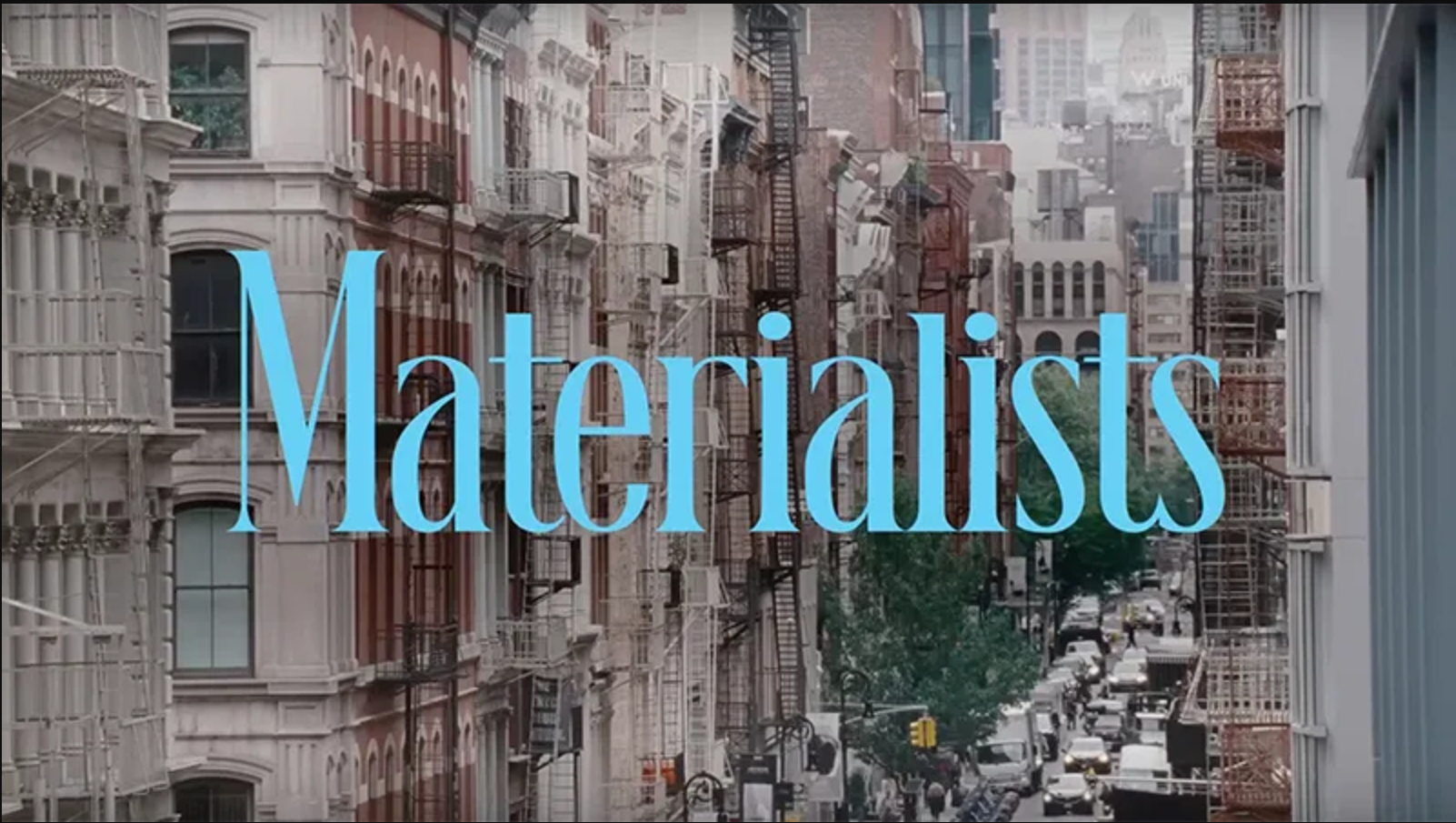
Lucy (Dakota Johnson) is a professional matchmaker in New York City, constantly quantifying people by their “market value” — anything from age, height, ethnicity, income, and education. In her own private life, she stands between two men — a “unicorn” millionaire (Pedro Pascal) and her broke struggling actor ex (Chris Evans).
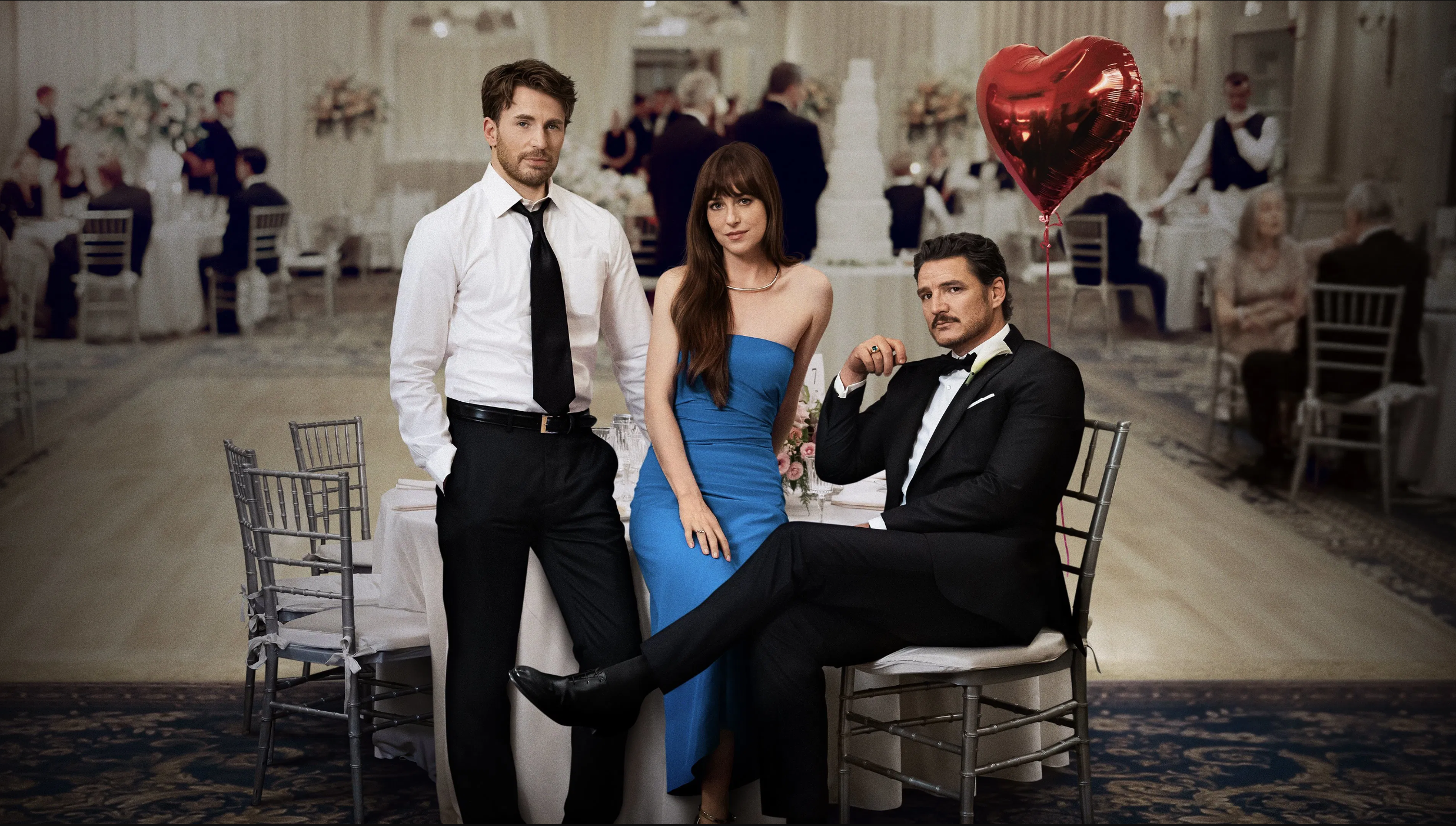
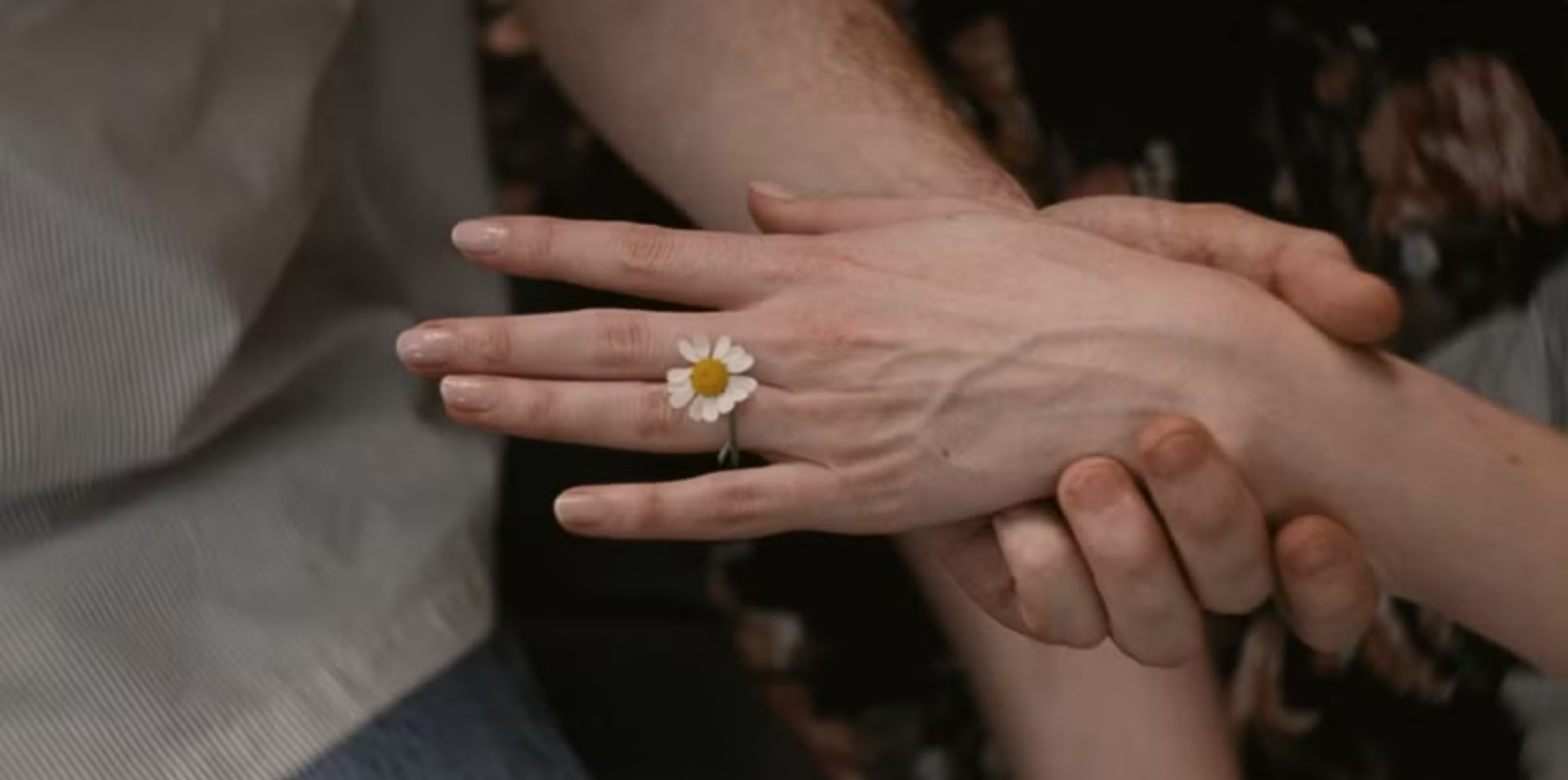
The film shows a culture that appraises partners like assets and investment portfolios, yet affirms love as something irreducible. Some have called it broke boy propaganda for romanticizing choosing love over money in a way that’s naive in today’s economy, while others argue it’s an anti-capitalist rom-com that tries to show how dating has become a marketplace.

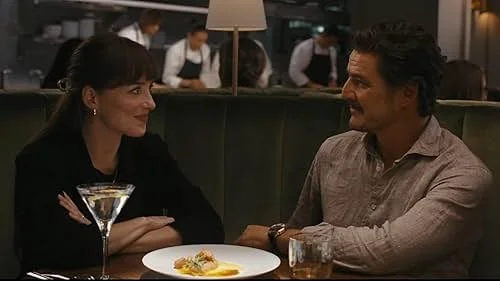
If broke boy propaganda says “Love is all that matters,” its polar opposite gold-digger propaganda says “Love is a luxury.” These binaries we inherited perpetuate an either/or narrative leaving us unsatisfied and hungry for more — or rather for something else.
Enter — the high value man.
What if, somewhere beyond broke boys and rich guys was a third option? A rare specimen that, against all odds, would reconcile romance with reality, once and for all putting an end to the divide between our heart and mind. The story could no longer be about which one we pick or sacrifice, but about the woman we must become to hold both.
The high value man indeed demands a high value woman.
The high value romance would confront us with our own romantic propaganda, inviting us to retire old scripts and upgrade them with fresh, new ones.
The High-Value Man
He is not defined by spectacle. He is anchored in responsibility, self-respect, and purpose, and wherever he goes, there is a subtle but unmistakable sense of safety—an easing of the nervous system, a clarity in the air. His presence expands rather than consumes. People stand a little taller around him, not because they are impressed, but because they feel steadied.
He is internally governed. His morals are not seasonal, nor are they borrowed. Discipline, for him, is not a performance but a private agreement with himself. He keeps his word because it would feel unnatural not to. Integrity is not something he advertises; it is something he inhabits.
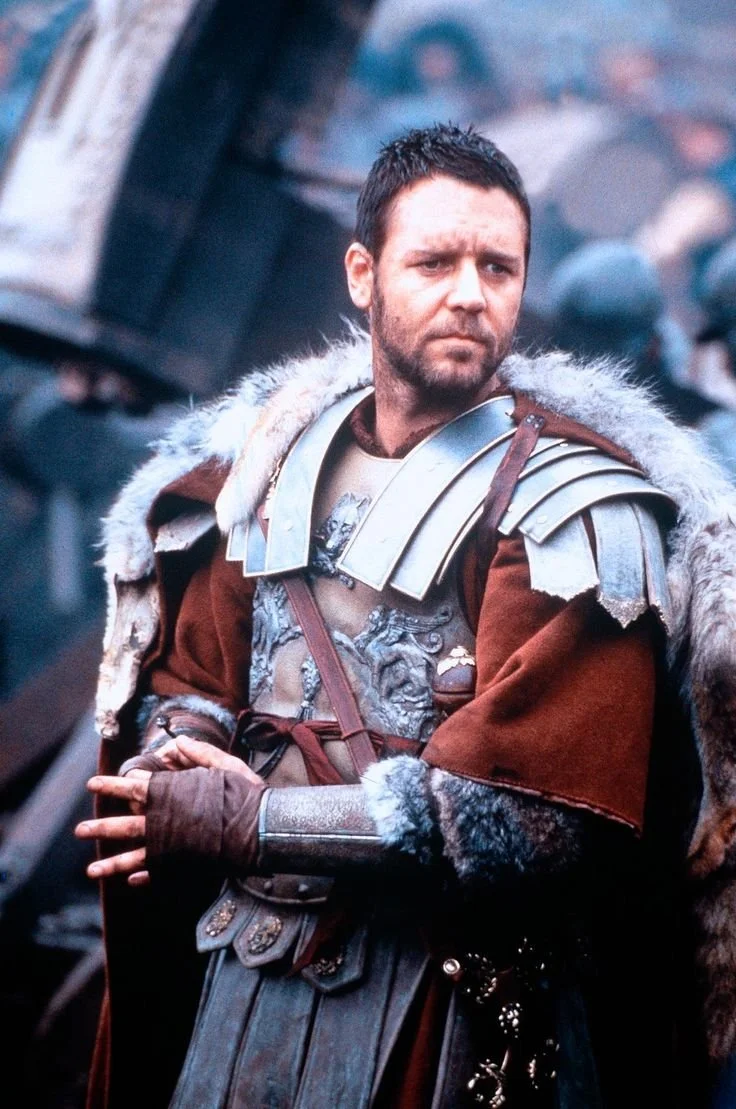
A high-value man takes responsibility—quietly, fully—for his life, his emotions, and his impact. He does not confuse self-mastery with emotional repression, nor ambition with restlessness. He is driven, yes, but not by the hunger to be seen. Validation does not steer him; meaning does. When he moves, it is with intention, not urgency.
He protects what he loves in ways both visible and unseen—emotionally, spiritually, materially. His leadership is not loud. It does not dominate or demand. It invites trust through consistency, through presence, through the rare capacity to remain steady under pressure. Strength, in him, is spacious enough to hold tenderness without collapse.
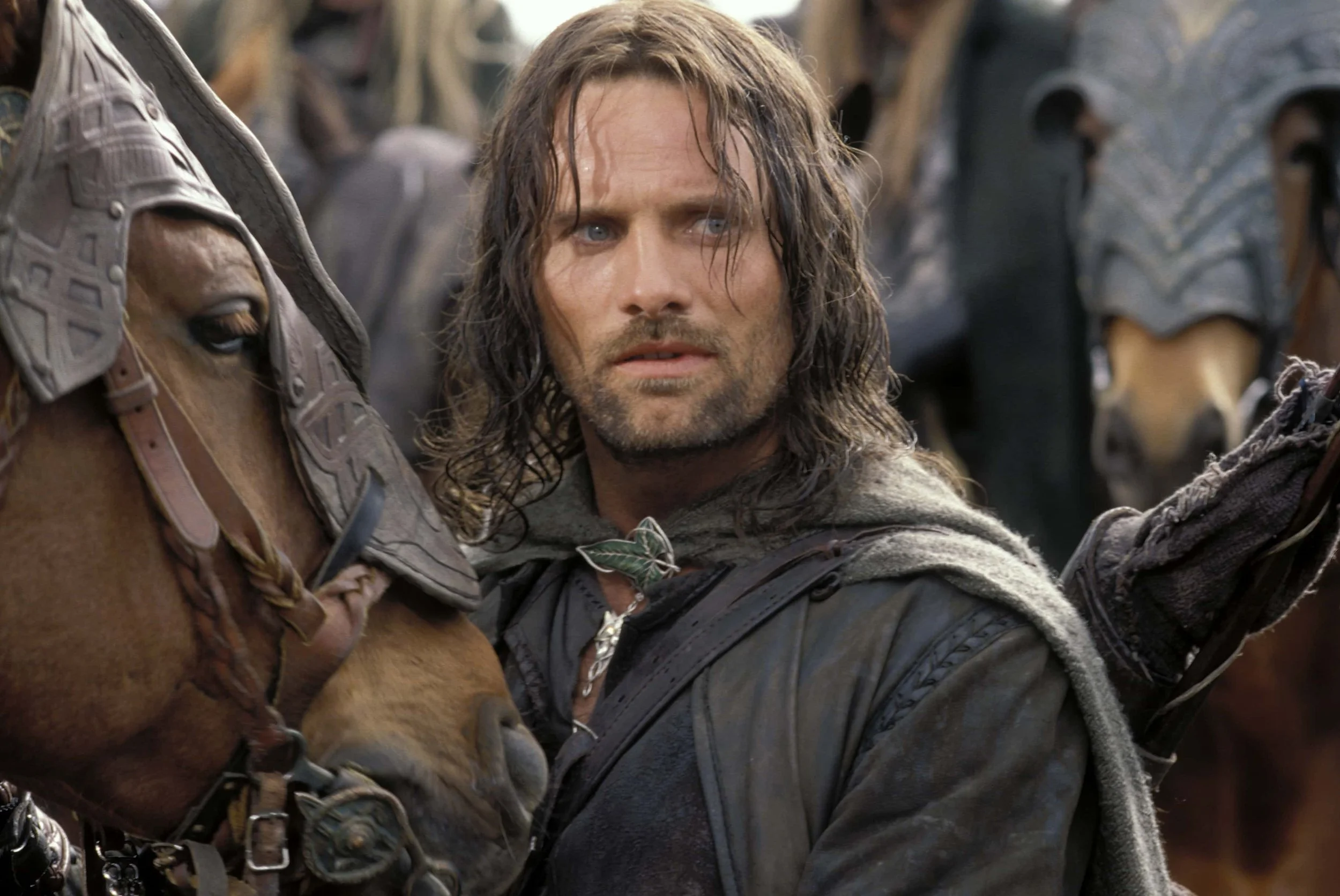
He does not chase power. Power gathers around him, drawn by his reliability, his groundedness, his clarity. People listen when he speaks—not because he insists, but because his words carry weight.
High value, in the end, has very little to do with status. It is capacity—the capacity to hold responsibility, intimacy, and truth without needing to diminish anyone else.
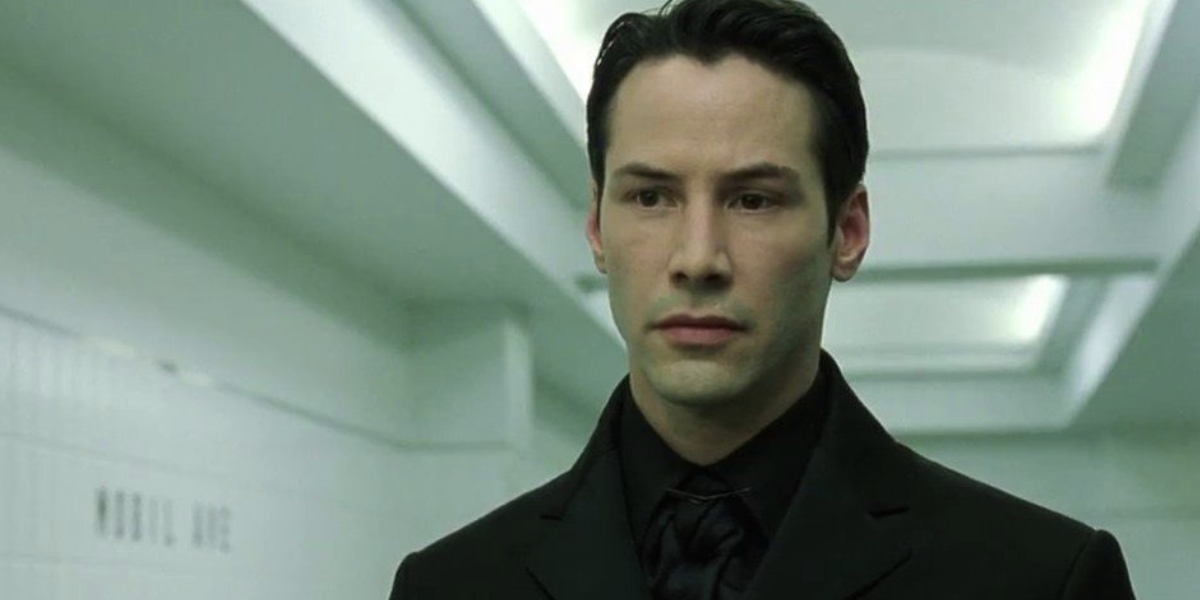
The High-Value Woman
She does not announce her worth; she lives inside it. Her sense of value is so deeply internalized that it no longer requires negotiation, defense, or display. She moves through the world as someone in right relationship with herself, and in doing so, she quietly elevates truth, beauty, and life itself. Her presence refines the room. Not by force—but by coherence.

She is self-aware and self-possessed. She knows her emotional landscape well enough to honor it without being ruled by it. Her feelings are not liabilities to be managed or weapons to be wielded; they are sources of intelligence. She listens inwardly, then acts with clarity. This is what gives her a rare composure—an ease that reads as confidence, but is in fact alignment.
She is deeply feminine and deeply sovereign, with no confusion between the two. Her softness does not signal availability to be overstepped, nor does her strength require armor. Her boundaries are calm, almost invisible, yet unmistakable. They do not punish; they simply define. She does not chase attention, because she understands the difference between being seen and being known. Discernment, for her, is an act of self-respect.
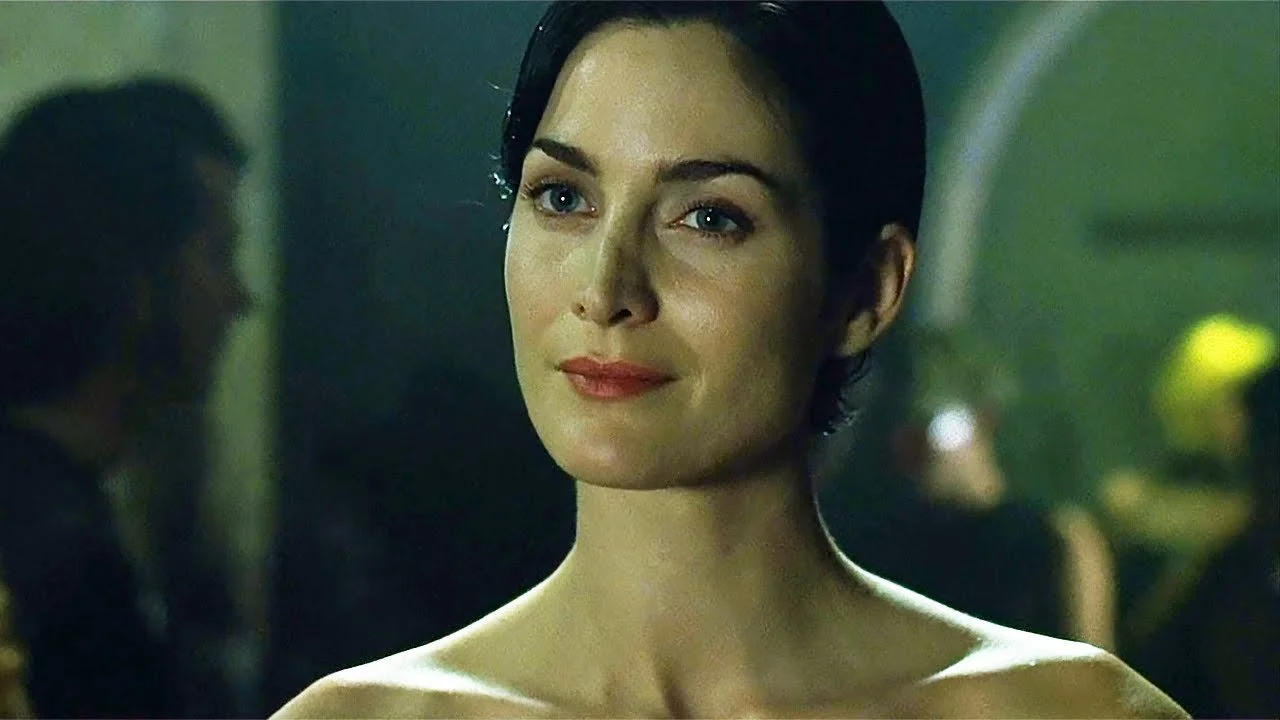
A high-value woman is emotionally intelligent and spiritually rooted. She does not abandon herself in order to be chosen, nor does she shrink her standards to soothe someone else’s insecurity. Warmth flows naturally from her, but it is not indiscriminate. Access to her world is not earned through persistence, but through presence—through reverence. She is not “hard to get.” She is impossible to access without care.
High value, here, is not independence alone. It is self-honoring interdependence—the ability to remain whole while choosing connection, to give without self-erasure, and to receive without guilt.
The High-Value Romance
A high-value romance is not an escape from the self, but a revelation of it. It is the kind of partnership that clarifies rather than distracts, that brings one into sharper focus instead of dissolving identity into longing or fantasy. At its core, it is built on mutual respect, devotion, and a shared commitment to growth—not as a slogan, but as a lived reality.
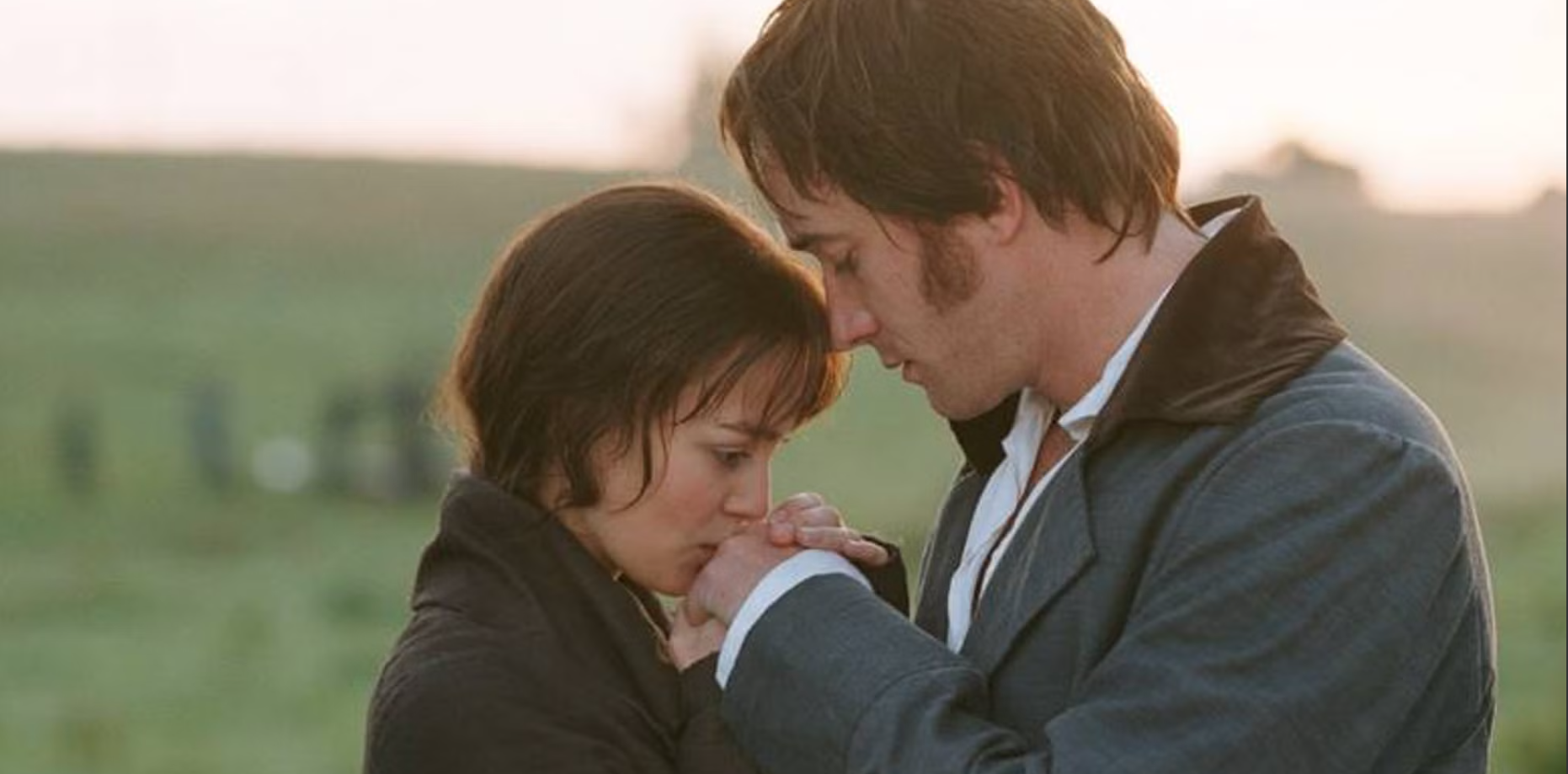
This kind of love feels safe, expansive, and unmistakably alive. There is energy, yes, but not the jittery charge of chaos or addiction. The nervous system settles. Breath deepens. Desire exists without urgency. What binds the couple is not the thrill of pursuit or the drama of uncertainty, but a quiet, sustaining admiration—two people who genuinely respect who the other is becoming.
Power struggles do not define this romance. Polarity is present, even celebrated, but it is not confused with inequality. Each person remains sovereign, and it is precisely this sovereignty that allows intimacy to deepen. They make one another better—not by force or critique, but by example. Calmer. Braver. More themselves.

Conflict, when it arises, is not weaponized. Disagreement does not curdle into contempt. There is room for friction without erosion, for honesty without cruelty. What holds the relationship steady is not perfect harmony, but shared values—a sense of what matters, what is sacred, what is worth protecting. Chemistry may have opened the door, but it is meaning that keeps the house standing.
High-value romance treats love as a practice, not a performance. There is no audience, no need to prove intensity or devotion. What matters is what happens in the quiet continuity of days: the care, the consistency, the choosing.
High-value romance does not consume you. It strengthens you—and, almost imperceptibly, strengthens the world around you.
This is not a relationship of convenience, nor one sustained by fantasy. It is a conscious alliance.
The Future of Romcoms
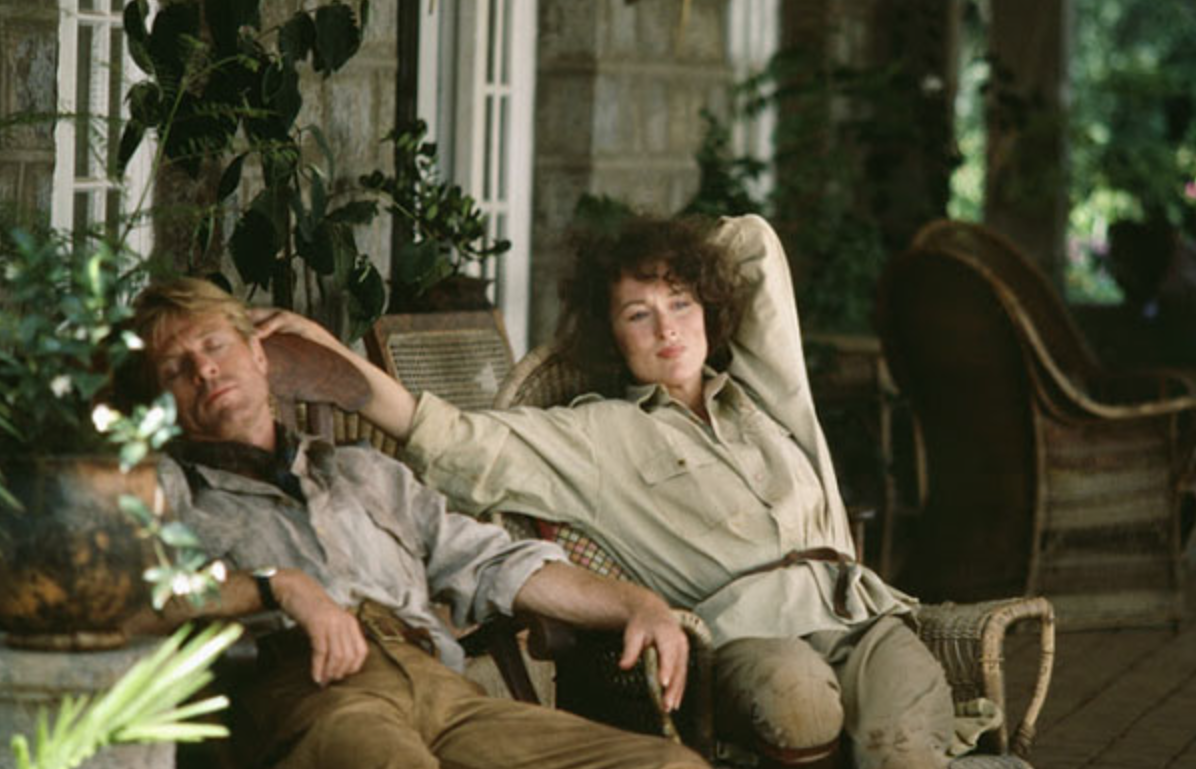
Where are the romcoms with Maximus and Aragorn? Short answer: they don’t exist — by design, not by accident.
Romcoms, as an industry genre, are built on misalignment, immaturity, and delay. Their engine is insecurity: missed calls, mixed signals, emotional confusion, performative banter, and the fantasy that love arrives before orientation.
Maximus, Aragorn, and Neo break the genre. They share something romcoms cannot metabolize: They are already oriented. They know who they are. They are not confused about love or purpose. They do not play emotional games. They move toward commitment without irony.
Rom-coms require the man and the woman to learn responsibility through romance.
These men arrive responsible — and romance becomes a byproduct, not a lesson. That removes the genre’s primary source of tension.
Because it can’t write these men in romantic contexts, Hollywood uses substitutes that are easy to stretch across 90 minutes of banter and misunderstanding.
Aragorn would end the movie in 20 minutes. He’d state his intention. Act consistently. Choose the woman without hedging. Roll credits.
Rom-coms were never really about love. They were about deferring adulthood while romanticizing it. Maximus, Aragorn, and Neo represent something post-ironic: duty, meaning, sacrifice, and commitment without apology. They don’t flirt. They choose. And choice is narratively dangerous in a culture built on optionality.
There is no lack of high-value men and women in cinema. There is a lack of romantic imagination capable of holding them.
It’s not that audiences wouldn’t want high-value romance. It’s that the modern rom-com has no language for them. And that may well be the new frontier of the genre.
The new rom-com begins where our old fantasies end.
Merch, Emotional Recall, and the 1998 World Cup
“It’s 1998. The World Cup is taking place in Paris. Against all odds France is going to the final against Brazil.”
Brazil… the giant. The reigning world champion. A team full of global superstars, led by Ronaldo, the greatest striker in the world.
It was France’s first World Cup final in history and at the time analysts overwhelmingly predicted a Brazil win. Typical odds were roughly: Brazil win: ~1.7, Draw: ~3.0, France win: ~4.0. Brazil was expected to dominate, Ronaldo to score, and France to struggle. But reality took a completely different turn. Defying all expectations, France beat Brazil 3-0.
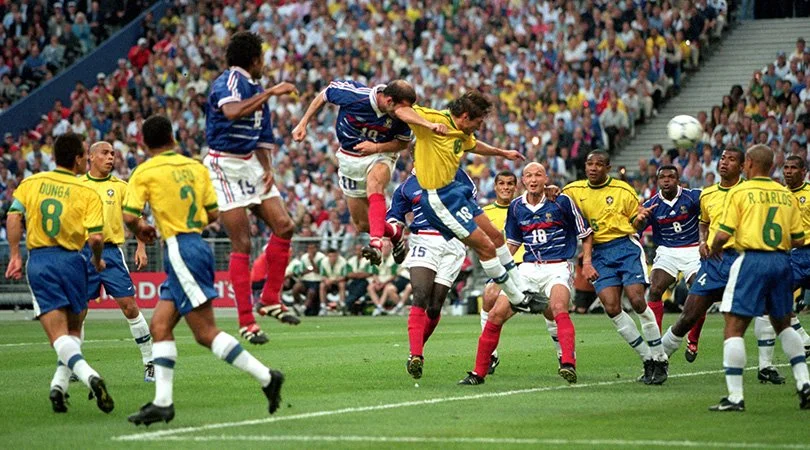
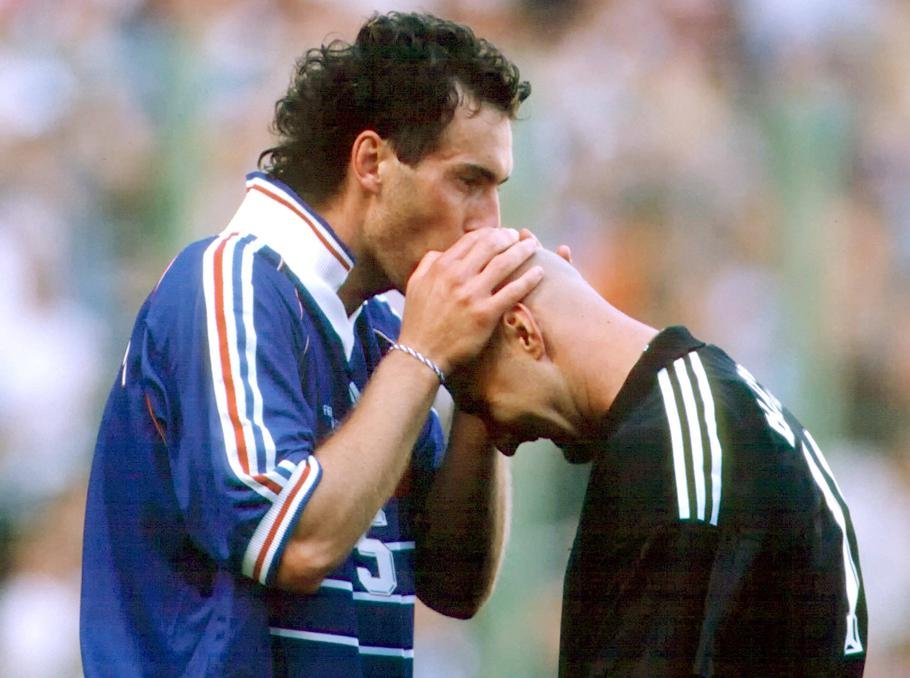
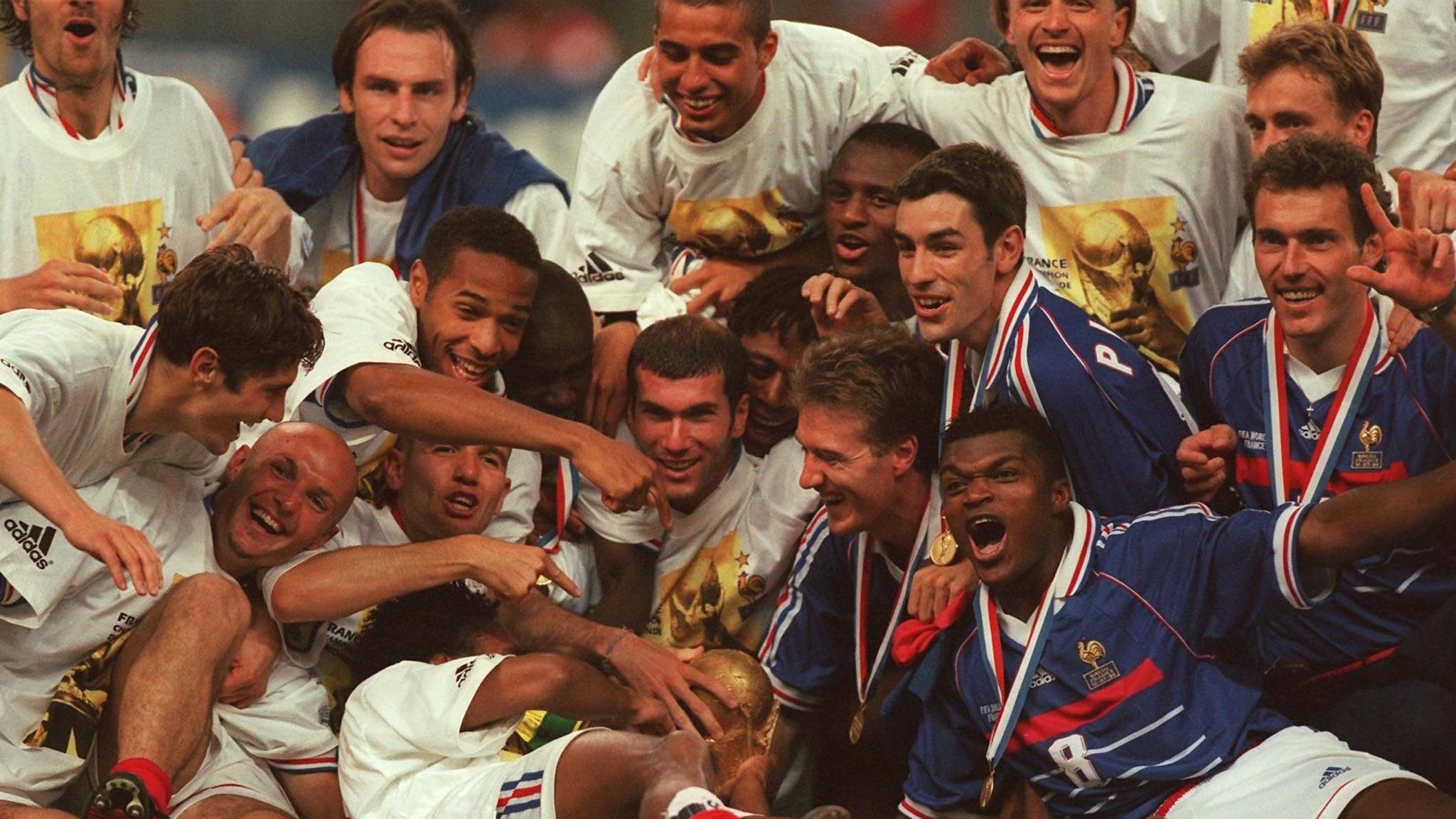
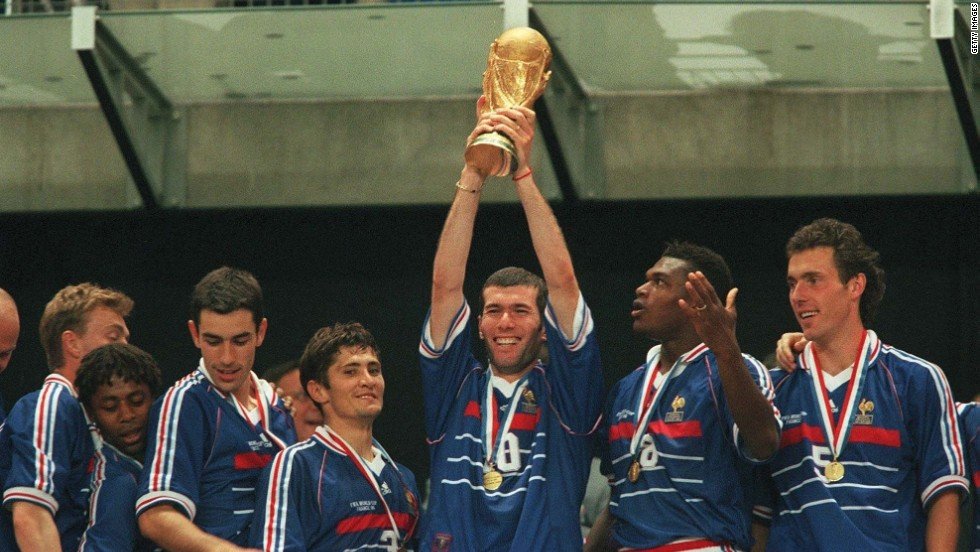
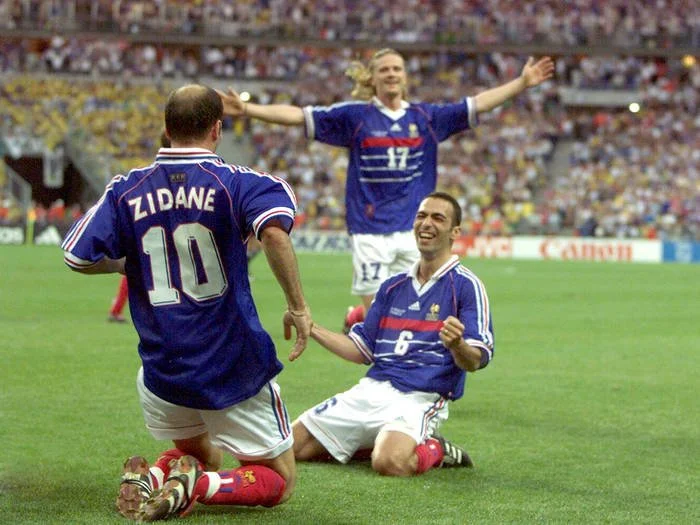
The nation went from shock and disbelief to a euphoric explosion of ecstatic joy and national pride. The final felt unbelievable at the time. It made the French people feel united, invincible, and profoundly connected — an iconic, historic moment in French and sports history
To every French person who lived through the 1998 World Cup, the electric experience of collective victory and glory, the transcendent feeling of belonging to something bigger — all still live in every cell of our bodies.
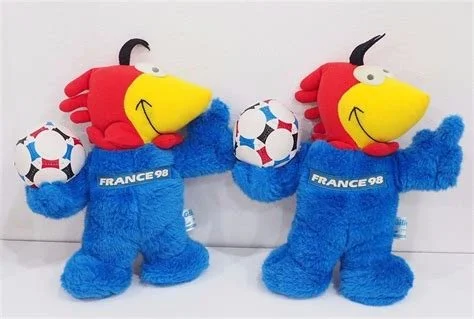
As I look at the new mascot plush toys for the 2026 World Cup, I remember my own and am transported back to 1998.
So I can’t help but think about the 8-year-old little girls who will be holding on to their Maple the Moose, Zayu the Jaguar, or Clutch the Bald Eagle next year and who will experience the magic of the World Cup for the first time.

These plush mascots can be so much more than just merchandise. They speak to the power of merch to bring the heart and essence of a brand like FIFA to life.
Because isn’t that what global sports is all about — a reminder of our shared humanity, a place where joy, heartbreak, unity, and pride all coexist in one collective breath.
Coca-Cola: the making of an icon
In 1886, in the bustling heart of Atlanta, Georgia, a pharmacist named Dr. John Stith Pemberton was tinkering with a formula that would accidentally shape modern culture. His creation wasn’t conceived as a soft drink, but as a medicinal tonic — an elixir to soothe headaches, calm the nerves, and invigorate the body. The ingredients were daring for the time: coca leaf extract (yes, the same plant that produces cocaine) and kola nut, a natural source of caffeine.
Pemberton mixed his syrup with carbonated water and began selling it at the soda fountain of Jacobs’ Pharmacy. On the first day, nine glasses were sold. Nine. There was no viral marketing moment. No overnight success. Just a modest start.
But behind the formula stood another mind — one not of chemistry, but of storytelling.
The Unsung Hero: Frank M. Robinson
Enter Frank M. Robinson, Pemberton’s bookkeeper. Robinson didn’t invent Coca-Cola, but he did something arguably just as important: he gave it an identity.
Robinson chose the name “Coca-Cola” to highlight its two main ingredients, the coca leaf and kola nut ingredients, and to make it memorable with a nice, catchy alliteration.
He penned it in the now-iconic Spencerian script, the same elegant logo we know today, giving Coca-Cola a face that people will recognize, and turning a simple tonic into a memorable brand.
At the time, Atlanta was rebuilding after the Civil War, an era of reinvention and optimism. Soda fountains were becoming social hubs, a place where people gathered to sip something refreshing and talk about the future. Robinson intuitively understood this cultural shift and gave Coca-Cola a name and look that felt inevitable, like it had always existed.
This moment is a lesson in branding: a product becomes iconic not just because of what it is, but because of the story it tells.
From Local Tonic to National Symbol: Asa Candler
When Pemberton died in 1888, businessman Asa Candler purchased the rights and transformed Coca-Cola from a local curiosity into a national phenomenon.
Candler’s genius? Distribution and visibility. He invested heavily in marketing: free samples, branded calendars, signage, and even merchandise — radical at the time. Coca-Cola was no longer just a syrup sold at a pharmacy; it became a lifestyle.
By 1899, the first bottling agreement had been signed, enabling Coca-Cola to reach beyond soda fountains and into homes. By the 1920s, it was everywhere.
World War II and Global Expansion
Coca-Cola became truly global during World War II. The company made a strategic promise: every U.S. soldier would get a bottle of Coke for five cents, anywhere in the world.
This did two things:
It created deep emotional loyalty among American troops.
It introduced Coca-Cola to international markets in one stroke.
After the war, Coca-Cola was no longer just an American drink — it had become a symbol of Western lifestyle. To love Coke was, in some places, to participate in the American dream.
The Power of Cultural Storytelling
Over the decades, Coca-Cola refined not just its product, but its mythology. From the creation of the modern image of Santa Claus in its 1931 ads, to the “I’d Like to Buy the World a Coke” jingle in the 1970s, to the now-iconic polar bear campaigns, Coca-Cola has always been less about what’s in the bottle and more about how the brand makes you feel.
It didn’t sell sweetness.
It sold togetherness, optimism, and possibility.
This is why Coca-Cola transcended being just a drink and became a cultural symbol.
The Lesson for Modern Brands
Coca-Cola’s story is a masterclass in how identity shapes perception. The formula mattered, yes — but thousands of other tonics came and went. What set Coca-Cola apart was the vision, the name, the logo, the feeling.
Frank M. Robinson saw that a product becomes immortal when people don’t just drink it — they believe in it.
Today, the opportunity for brands — especially in emerging spaces like hemp-derived THC beverages — is to create the next Coca-Cola moment. A name that sounds inevitable. A brand that tells a story larger than the product itself. Something timeless.
Final Sip
The world didn’t need another syrup in 1886.
It needed a story.
Coca-Cola gave it one — and in doing so, became one of the most enduring brands of all time.
The question isn’t just who’s making the next great beverage.
It’s who’s writing the next great myth.
Labubu: This Is Not a Toy
“All mythical figures correspond to inner psychic experiences.”
— Carl G. Jung
Disarming charm with a wink of danger… A new figure is moving through the collective and taking the world by storm. With their wide eyes and mischievous grin, the Labubu dolls are not quite innocent. They elicit a curious blend of delight and discomfort, inviting affection and tension.
Once cloaked in animal skins, mythic tales, or jester’s garb, now reimagined in plush, Labubu is a contemporary manifestation of the Trickster — a primordial archetypal force that lives in the depths of our collective unconscious, quietly inhabiting our myths and dreams for millennia.
Jung described the Trickster as a being who is God, man, and animal all at once—a figure that makes us feel “very queerly indeed,” because it mirrors a psyche that has hardly left the animal level.
Labubu lives in that paradox.
They disobey — but with charm. They’re small — but powerful. They’re lovable — but dangerous. They’re innocent — but they know what they’re doing. They mock authority without becoming villains, they express rage without ugliness, they undo the world with a giggle.
Their very design hints at a psyche both unconscious and mythic, as if they remember a time before civilization fully tamed the wildness of spirit. More beast than bunny, more grotesque than pretty, they look soft yet bring explosive chaos. Adorable and disturbing, soft and cunning, primitive and strangely divine. There is something pre-verbal, pre-rational about them—something of pre-adolescent children: unruly and delightful, monstrous and magical.
They are dangerously alive — what we’d be if we peeled back the social scripts and let chaos frolic.
From Loki to Kuromi, the Trickster has worn many forms and is now grinning from the collector’s shelf.
But make no mistake— this is not a toy.
Chaos still hums beneath the surface. Mischief is still the message. A taste of the old Trickster medicine made palatable for the modern consumer.
What could this all mean?
Perhaps this archetype is emerging again because we need it. Like a mirror showing us how to hold contradiction without breaking. To let disobedience be fun again. To giggle while we undo old systems. To rage adorably and reclaim softness as strength.
The Marlboro Man: Advertising As Myth
How did one of the most successful advertising campaigns of all time reshape American culture? This case study is an exploration of how the Marlboro Man transformed a struggling women’s cigarette brand into a global empire.
Read on.

Marlboro: The Brand Before the Campaign (1920s-1950s)
Before it became a symbol of masculinity and freedom, Marlboro was a cigarette for women.

The brand was introduced in the US by Philip Morris Company in 1924. Philip Morris (1835-1873) was a British tobacconist and cigarette importer based in London. “Marlboro” gets its name from the factory on Great Marlborough Street, London. They were first marketed as "America's luxury cigarette" and were mainly sold in hotels and resorts.
Around the 1930s, it was starting to be advertised and positioned as a mild, refined cigarette for women. Early ads featured elegant women smoking, often accompanied by the tagline, “Mild as May.” The filters were a key selling point, designed to make smoking “cleaner” and more appealing to female consumers — some even had red filters to accommodate for red lips. Early packaging had a delicate, feminine touch, evoking luxury and sophistication.
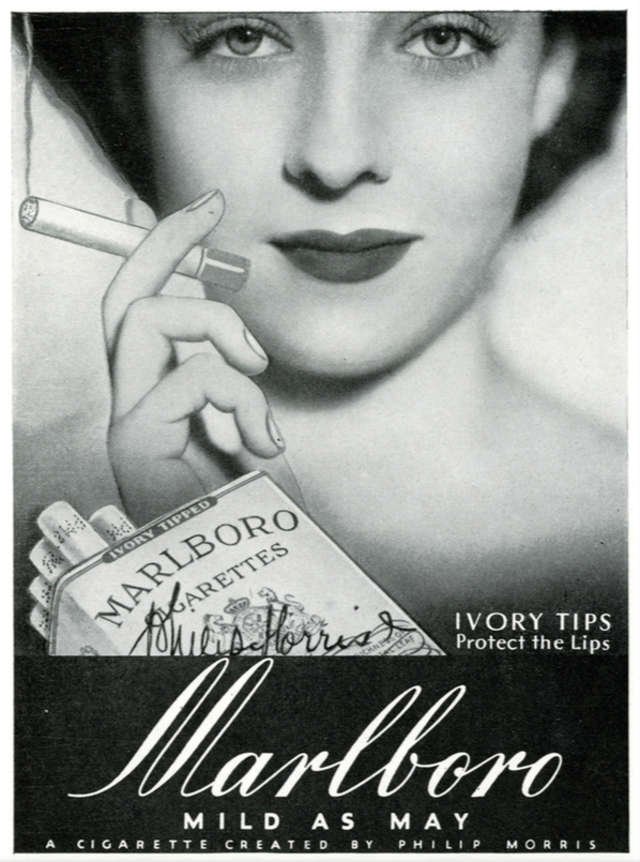

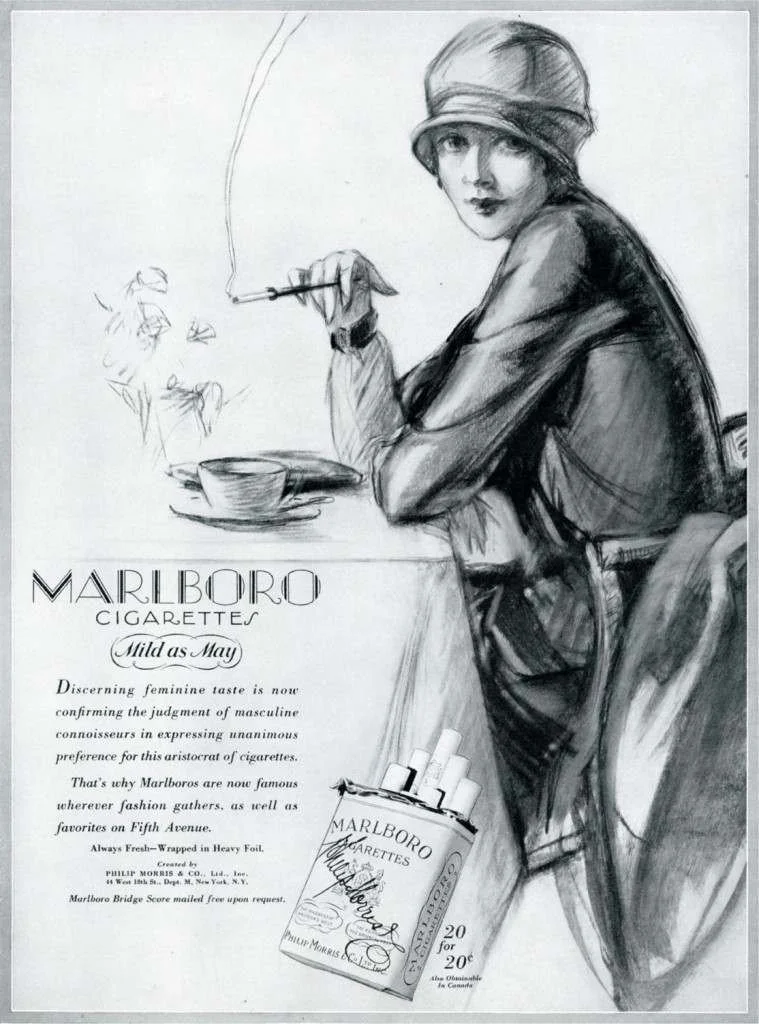


In 1952, Reader’s Digest published an article titled “Cancer by the Carton,” which linked cigarette smoking to lung cancer. Public concern grew, and sales of unfiltered cigarettes started to drop. The tobacco industry needed a solution — filtered cigarettes were the answer. But they carried a problematic perception. Unfiltered cigarettes were seen as strong, raw, and masculine, while filters were perceived as delicate, refined, and feminine. Men didn’t want to be seen smoking a filtered cigarette, let alone one specifically marketed for women. For Philip Morris Co., this was a critical challenge and tremendous opportunity — if they could make filtered cigarettes acceptable to men, they could capture the entire market. The company needed to completely reposition Marlboro.
The Architects of the Rebrand
Filtered cigarettes were the future, but they had to be made desirable to men. The challenge wasn’t just marketing a product; it was reshaping perception, rewriting cultural codes, and making filters masculine.
From 1954 to 1957, the critical period when the Marlboro rebrand took off, Joseph F. Cullman III was the president of the Philip Morris Company. He became CEO in 1957, holding the position until 1978, overseeing Philip Morris as it grew into one of the most dominant tobacco companies in the world.
Cullman was a brilliant strategist and businessman. Under his leadership, the company aggressively expanded its reach, positioning Philip Morris as an international powerhouse, despite the emerging public health crisis.

For the Marlboro rebrand, he turned to Leo Burnett, one of the most influential advertising minds of the 20th century, and worked closely with him to ensure the marketing strategy aligned with Philip Morris’s long-term vision.
With an early career in journalism, Burnett’s foray into advertising began in earnest in the 1910s working for Cadillac and advertising firms in Indianapolis and Chicago before founding his own agency, Leo Burnett Company, in 1935 in the middle of the Great Depression.
"Make it simple. Make it memorable. Make it inviting to look at. Make it fun to read."

While other agencies focused on hard-sell tactics, Burnett had a different philosophy. He understood that people don’t just buy products—they buy status, identity, and aspiration.
His approach was character-driven branding, a technique that would define some of the most successful campaigns of all time. Burnett didn’t just create ads—he created icons. Some of his most famous creations include Tony the Tiger for Kellogg’s Frosted Flakes, the Jolly Green Giant for Green Giant, and the Pillsbury Doughboy for Pillsbury. Each of these characters transcended the status of brand mascots and became symbols embedded in the minds of consumers.
Burnett believed in advertising that connected to the core emotions of consumers—ads that didn’t just inform, but captivated, inspired, and resonated on a deeper level.
The Many Men of Marlboro (1950s-1962)
Burnett’s challenge with Marlboro was monumental: how do you make a filtered cigarette—the ultimate symbol of sophisticated femininity—into the toughest cigarette in America?
Marlboro needed to be stripped of its past.
In the 1950s, America was shaped by war, economic expansion, and a rapidly changing cultural landscape. According to the 1950 Census, approximately 89.5% of the total U.S. population identified as white.
Nearly half of adult American men were military veterans. Millions had served in World War II (1939–1945) and another wave had fought in the Korean War (1950–1953). This created a generation of men shaped by discipline, duty, and survival, returning to a country that expected them to embrace suburban domesticity and corporate stability.
The post-war economic boom fueled corporate expansion. Millions of men left farms and blue-collar jobs for office careers, climbing the corporate ladder in large bureaucratic companies. These suburban white-collar workers were described as conformist and risk-averse, defined by suits, commutes, and a growing sense of disconnection from the physical, hands-on work of previous generations
In addition, millions of working-class men worked in steel mills, coal mines, auto plants, railroads, and farms, forming the backbone of industrial America. Many belonged to tight-knit, male-dominated workplace cultures, where toughness, endurance, and camaraderie defined their identity.
By 1954, Marlboro needed to sell filtered cigarettes to veterans, working-class, and white-collar men.

The first ads that came out in 1955 all featured veterans with their distinctive military hand tattoos. During World War I, servicemen began tattooing their military ID numbers—and later social security numbers—on their bodies for identification in case of injury or death. By World War II, tattooing had grown as a symbolic ritual among soldiers, marking their commitment, courage, and sense of camaraderie.


In the 1950s, though the once vast frontier of the American West was becoming a relic of the past, cowboys were everywhere—on the big screen, in TV shows, in dime novels, and in the collective imagination of a nation that still saw the West as its ultimate myth of freedom and self-reliance.
John Wayne was one of the most prolific actors of the time and had established himself as Hollywood’s leading cowboy by the 1940s with movies like Stagecoach (1939, dir. John Ford) and Red River (1948, dir. Howard Hawks). His dominance continued into the 1950s with Rio Grande (1950, dir. John Ford) and Hondo (1953, dir. John Farrow). His deep voice, imposing presence, and no-nonsense approach to justice made him the quintessential American hero.


Still frames from Stagecoach (1939, dir. John Ford) and Hondo (1953, dir. John Farrow) below.
By 1954, there was no stronger, more aspirational, or culturally dominant figure than the cowboy. He embodied freedom, individuality, and rugged masculinity.
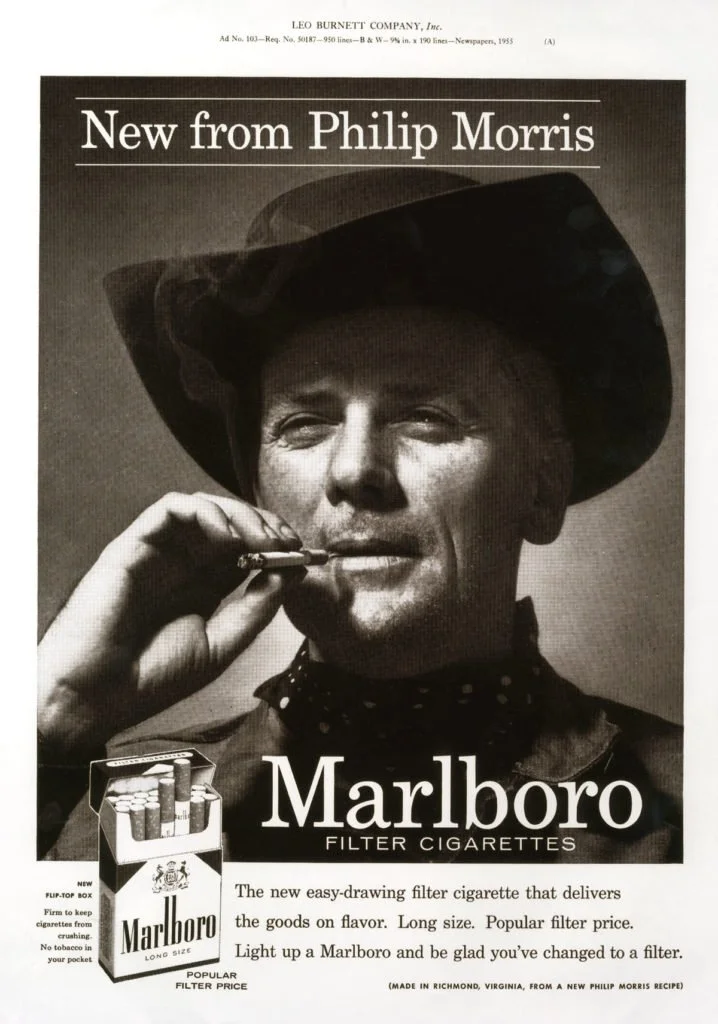
1955 Marlboro ad campaign
By 1955, Marlboro's sales had surged to $5 billion—a remarkable 3,241% increase over 1954's figures, making it the best-selling cigarette brand in the world. The Marlboro Man became a cultural icon, symbolizing not just the brand but an entire generation’s ideals. The filtered cigarette, once dismissed as delicate and weak, became the toughest cigarette on the market.


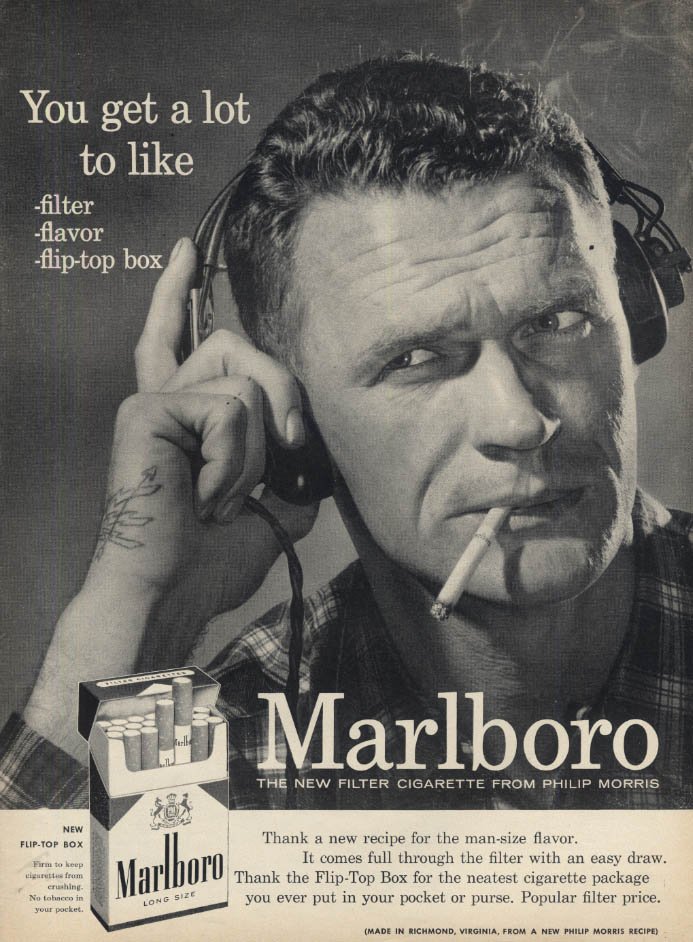


It will take eight years for Marlboro to cement the cowboy as the one and only Marlboro Man archetype.
The men featured in subsequent campaigns of the 1950s reflect mainstream White masculinity in post-war American society, showcasing a spectrum of manly identities — veterans, laborers, athletes, intellectuals, outdoorsmen, and the self-made men…


These campaigns are a fascinating snapshot of post-war masculinity in America and reinforce different forms of masculine ideals of the 1950s. And what all these men had in common was the Marlboro cigarette.


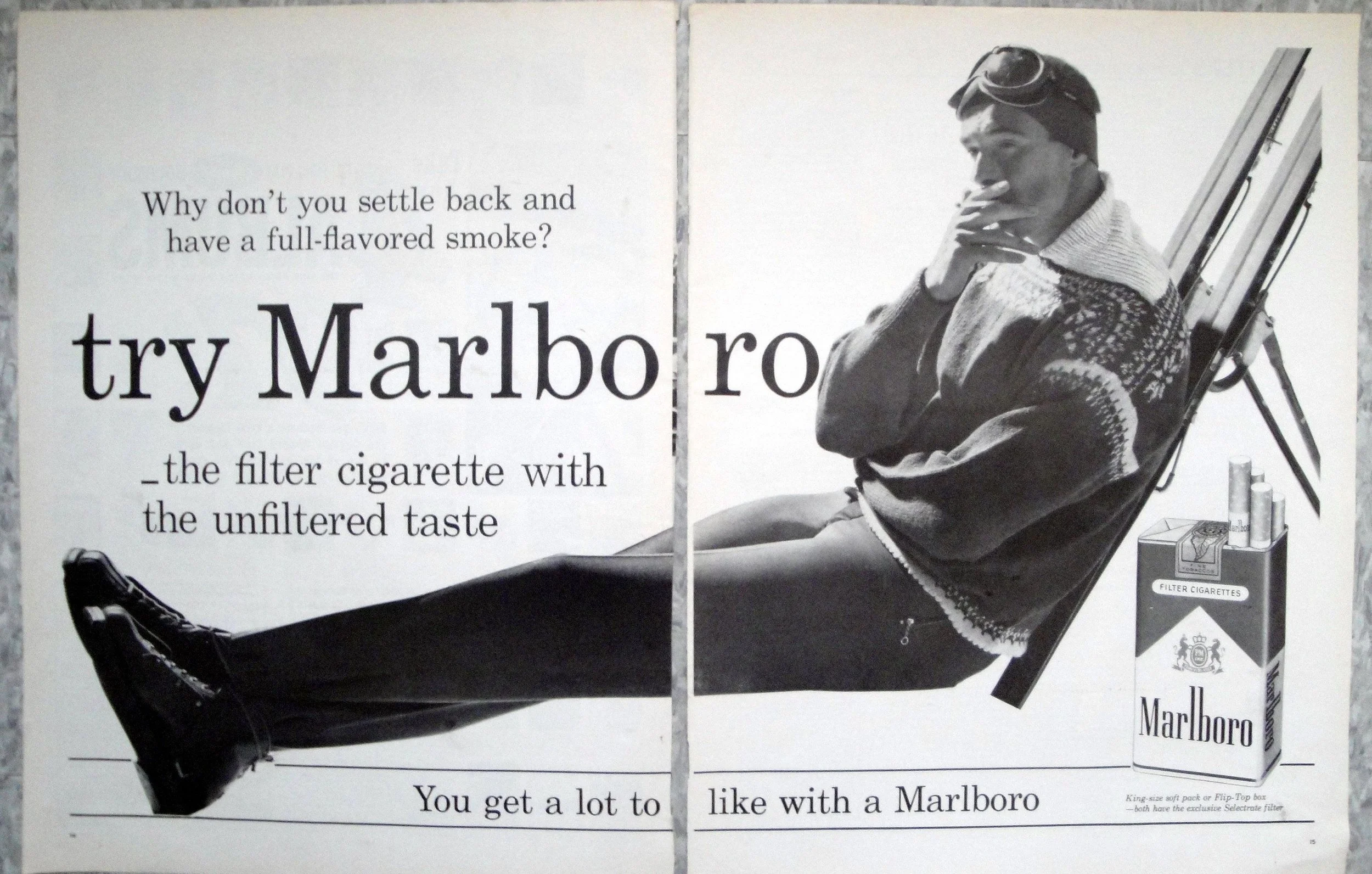


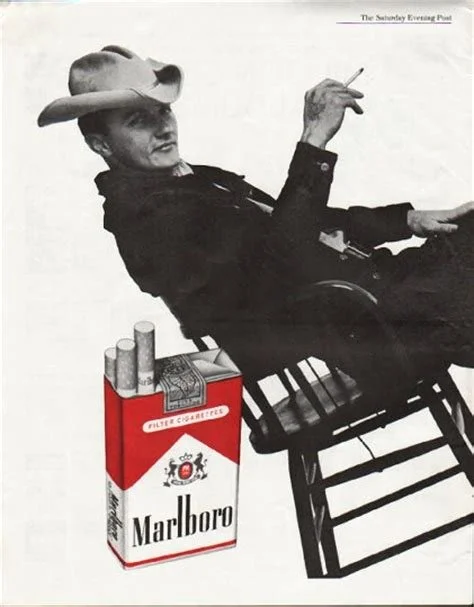

From top to bottom: Marlboro ad campaigns from 1958 to 1962
Marlboro Country and the Cowboy as Myth (1963–1990s)
In 1963, Marlboro made the definitive pivot that would etch the cowboy into the cultural imagination of the 20th century. This wasn’t merely a branding decision—it was a narrative shift. The cowboy, once one of many faces of Marlboro, became the only one.
He wasn’t selling a cigarette; he was selling a way of life.
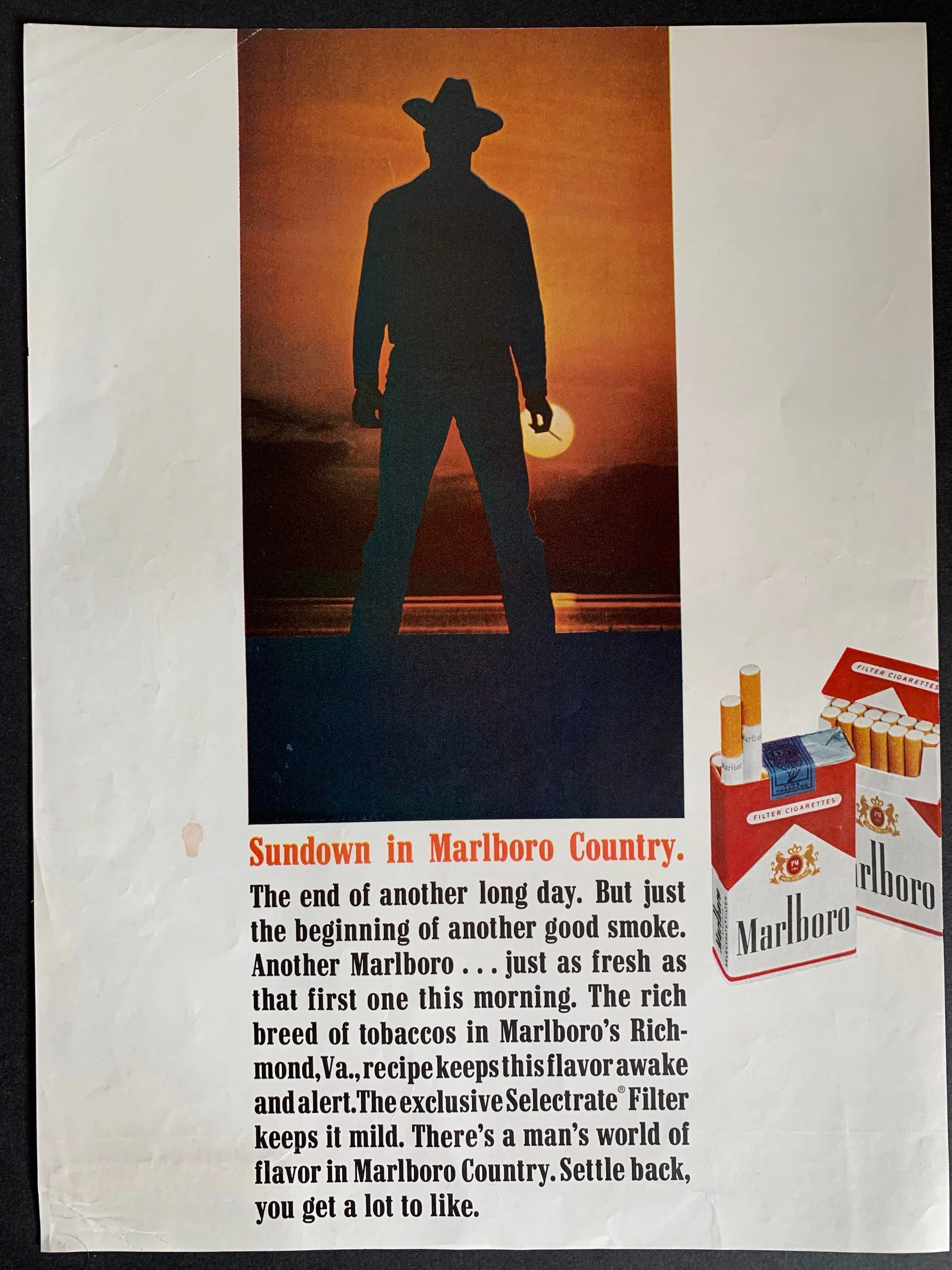
Set against the sweeping backdrop of the American West, the Marlboro Man strode through vast, untamed landscapes—alone, unbothered, elemental. He was rugged and self-reliant, often pictured on horseback, rounding up cattle or lighting a cigarette at dusk. These images were carefully constructed to evoke not just masculinity, but myth.
The West in these campaigns wasn't just a place—it was a state of mind.
"Marlboro Country" was where men could be free, where nature ruled and man endured. The visual language borrowed heavily from Western cinema and classical Americana: warm tones, dust-swept plains, horizon lines that whispered of possibility.
Marlboro Country wasn’t about selling tobacco. It was about selling identity. The filtered cigarette had transformed from a symbol of femininity into the epitome of masculine freedom.









What Is a Brand?
To understand what a brand truly is, you have to go back to its roots. The word "brand" comes from the Old Norse brandr, meaning to burn. It began as a literal mark seared into wood, livestock, or metal, and was a sign of ownership, identity, and belonging.
Over time, it also came to mean "sword"—a tool of precision, forged in flame. A sword doesn’t waver—it stands for something. It slices through the noise, protects what matters most, and commands attention. It delivers its message with power.

In French, brand translates as “marque” or mark—a stamp of ownership, a declaration of identity, a symbol that speaks without words. Like a coat of arms or a flag, it is a bold declaration of our values and a rallying point that others recognize and follow. It says, “This is who I am. This is what I stand for.” It is the mark we leave on the world.
To create a brand is to take a stand. It’s to plant your flag and draw your sword. It is a way of being recognized without words.
During the Industrial Revolution, the concept of “brand” underwent a significant transformation. In a rapidly expanding marketplace filled with mass-produced goods, brands became essential for distinguishing products—soap, clothing, food—from their competitors. A brand was no longer just a physical mark; it became a symbol of quality and a badge of trust, signaling reliability and consistency to consumers navigating an increasingly crowded and impersonal economy.
This evolution laid the foundation for branding as we know it today: a promise that stands out in the noise.
If you are building, running, or marketing a brand — whether it’s a business brand or your own personal brand — how long does it take you to answer these questions:
What is the flame that fuels your purpose?
What is the sword that defines your stance?
What is the mark you want to leave on the world?
Because a brand isn’t just what you create—it’s who you are. And if it’s done right, it has the potential to last forever.
A personal brand is no different. Your name can carry the same weight. It can be a beacon for what you believe in, a banner that others rally behind.
To build a personal brand is to take ownership of your name—to imbue it with purpose and meaning. It’s not just about what you do, but what you stand for. A name that carries weight isn’t about chasing trends or fleeting recognition. It’s about crafting a legacy.
What does your name stand for?
How will it be remembered?
In Praise of the Unrushed Brand
In an age that glorifies rapid launches, viral moments, and instant gratification, there’s a quiet rebellion in choosing a different path, a deliberate march toward something deeper, greater, and enduring. This philosophy is about crafting not for now but for the ages.
Building for Timelessness
When we think of the great cathedrals of Europe—those towering monuments to art, faith, and human ingenuity—we see a testament to patience and vision. Many of these cathedrals took centuries to complete. Generations of craftsmen worked on projects they knew they’d never see finished, driven by the belief that their work contributed to something eternal.
Deep Branding allows us to build not just for ourselves but for a legacy. The brands that stand the test of time are those that resist the pull of fleeting trends — they are timeless. They are built with intention, aligned with deep truths, and designed to resonate long after their creators are gone.
Redefining Speed
The world of business often prioritizes speed: launch quickly, iterate faster, grow exponentially. An obsession with speed can lead to shallow results and work that fails to connect. Brands that chase the latest trend become disposable.
True agility is about moving deliberately and creating with purpose. Each step considered and aligned with a larger vision. Each action, however small, a brick laid in the foundation of something greater.
The Slower I Get, the Faster I Move
In a world addicted to speed, focusing on legacy is revolutionary. It prioritizes quality over quantity, depth over superficiality, and meaning over metrics. It attracts audiences who value authenticity, care, and intention — turning customers into lifelong brand fanatics.
Brands that embrace this philosophy differentiate themselves from the crowd of disposable brands chasing short-term gains. They create for the future and build for the ages.
They become unforgettable.
The Ecstasy of Reålea Skincare

La Gravure sur bois de Flammarion est une gravure sur bois anonyme, ainsi nommée car on retrouve pour la première fois sa trace dans le livre de Camille Flammarion publié en 1888, L'Atmosphère : météorologie populaire, au chapitre « La forme du ciel ». Elle est également appelée Gravure au pélerin en référence au personnage représenté.
Le trait est une rencontre.
Le pélerin voyageur intoxiqué,
à genoux s’est enivré d’une fleur.
La rose comme une flèche le traverse.
Transpercé au coeur,
tranché par le plan céleste,
pris d’un rapt d’extase,
il voit la machine superbe
et entend les anges.
Les fleurs ne sont-elles pas
Les étoiles de la terre?
ASTRUM*
Fleur inventée, imaginaire,
Suspendue dans ton huile précieuse.
Sécrétion secrète,
Voluptueuse,
Magique,
Qui ensorcelle et envoûte,
Comme une pluie d’étoiles et de baisers.
*Astrum est l’huile précieuse et magnifique créée par Reålea Skincare qui a inspirée cette page. Elle mélange magistralement jasmin égyptien, rose turque, bois de santal de Nouvelle-Calédonie, myrrhe somalienne, fleur d'hélichryse croate, fleur de champaca indienne, romarin, géranium égyptien, cèdre de l'Atlas marocain, huile d'ambre fossilisé de l'Himalaya et huile d'or.
L’Autre. Une fragrance. Un trait. Une rencontre, qui nous révèle à nous-même ces dimensions que l’on ne soupçonne pas.

Bridget Riley, Study for Kiss, (1961)
Le trait de l’olfaction.
La rose émet des molécules volatiles odorantes. À l'intérieur du nez, elles se lient aux récepteurs olfactifs. Lorsqu'une molécule odorante se lie à son récepteur correspondant, une cascade de signaux chimiques ouvre des canaux ioniques et génère un potentiel d'action. Les signaux sont envoyés au cerveau, qui les associe à des souvenirs et des émotions puis, après, les identifie.

Cupid Shooting Arrows at the World Globe
Attributed to Otto van Veen
Netherlandish, 1608 or shortly before
Bliss, B-Corps, & Reishi Cappuccinos
Yesterday, I felt so alone and here I am now, sitting at Erewhon alone again and I’m in bliss. Why is every sip of this “reishi cappuccino” so pleasurable? I think it’s because it is sweet. Profoundly sweet. Like a hug from my best friend. And that could make me cry right now. It’s 6:30 pm and I’m having a mystical experience. I feel like I’m out of my body, turning into a cloud, floating high, around myself. A profound sense of peace. Warm, euphoric. Like falling in love, but it’s just me. It’s just me and everything else. Everything else to be fallen in love with — sound, shape, movement.
It’s funny how everyone looks familiar when you feel like this. The girl in front of me is eating a raw carrot (with skin on), dipping it in a fresh raw omega-3 dairy and gluten-free no soy, no canola dip. California women are the hottest babes under the sun. This woman is beautiful. She’s opening a box of Simple Mills Almond Flour Rosemary & Sea Salt crackers. The box reads, “Feel what good food can do. Food has the power to transform how you feel. To help you live your fullest life.” Is that what’s happening to me?
The girl has a bite of Honey Mama’s Oregon Mint raw cacao. She’s glowing. There’s an olive tree behind her. I wonder what her name is. She’s on her phone. Watching her is so pleasurable. She radiates health. She nibbles on another bite of chocolate and pulls out a kombucha — GT’s Alive Ancient Mushroom Elixir.
Somehow, over the course of 14+ billions of years of evolution, this woman and I are sitting across from each other, both drinking ancient mushrooms. I drink the last sip of my faux-cappuccino from my disposable cup, gazing up at the outdoor heaters. It’s June and it’s cold in Venice. So we heat the outside. Is this right? Is this wrong? Should we have ever left Africa? What took us? Boredom? Folly? The call of the unknown. Maybe that’s what it is — the mystical, the unknown. Maybe life is more than survival? Maybe life is more than surviving? Maybe life is sitting under a heater outside in June in Venice, California. Maybe evolution is pleasure? Why not? Someone had to decide to put clothes on and go north. And here I am, with my empty cup under the warmth of the heater. Me, her, and this little bird eating her gluten-free crumbs.
I love Erewhon. The name comes from the word nowhere. It’s an establishment. LA iconic. The founders Michio and Aveline Kushi started selling macrobiotic and organic foods out of a 10’ x 20’ stall below street-level in Boston back in 1966. They moved to Los Angeles in 1968. Erewhon was the first store of its kind in America. It was built upon the core idea that “if we fill our bodies with the very best that Earth has to offer, we can become our best selves.”
Their paper bags read, “We are proud to be a Certified B-Corp, using business as a force for good.” This reminds me of Angelina Jolie’s post on Instagram about her Atelier Jolie x Chloé collaboration. “It was important to me to work with Chloé, one of the first luxury brands to be a B Corp.” Ange cares so whenever she shares, I care to listen.
I look around and realize I am surrounded with the hottest babes in LA. A total of seven women are sitting around the patio. It feels so good to be around women. No need to talk or make eye contact. Just being in each other’s presence. Women are the salt of the earth. Maybe this is another key ingredient to my blissful cup. The girl two tables down has a sweater that reads, “A little slice of heaven” on the back. Feels like a great title for whatever I’m writing — “Erewhon Venice: A Little Slice of Heaven.”
Indeed, I feel bliss. I haven’t moved an inch. I sincerely wonder what is causing it. The reishi mushrooom? The cacao? A deeply satisfying day of work? The shower I took this morning? My hair? Maybe it’s being 32? Or the last 4.54 billion years? From the Big Bang to the reishi cappuccino, to think this moment is the culmination of 13.8 billion years is dizzying. I am here, sitting under the heater, writing in my notebook ordered on amazon.com. I love Amazon. Imagine if it became a B Corp. Imagine if every time we buy something there, we regenerate a piece of the Amazon. I wonder if some of our land is forever lost. Maybe lost land lives elsewhere. Somewhere in stories and songs? Somewhere in me?
The B Corporation might be one of the greatest economic revolutions of the 21st century. “B Lab Certification is a third-party standard requiring companies to meet social, sustainability, and environmental performance standards.” Accountability and transparency. Angelina Jolie shared a link to Chloé’s official page explaining what it means to them. I love when brands have a manifesto. “Women Forward. For a fairer future.” “To bring positive impact to people and the planet. This is our purpose guiding all we do…” “Women as change agents.” You bet. “We are proud to be part of this community of leaders, driving a global movement of people doing business as a force for good.”
I wonder what’s next for us — Homo sapiens. Sustainable capitalism and reishi cappuccinos. I feel the warmth of the heater on my cheeks. This is millennial existentialism — fast lives in ancient bodies. Absurdly beautiful.